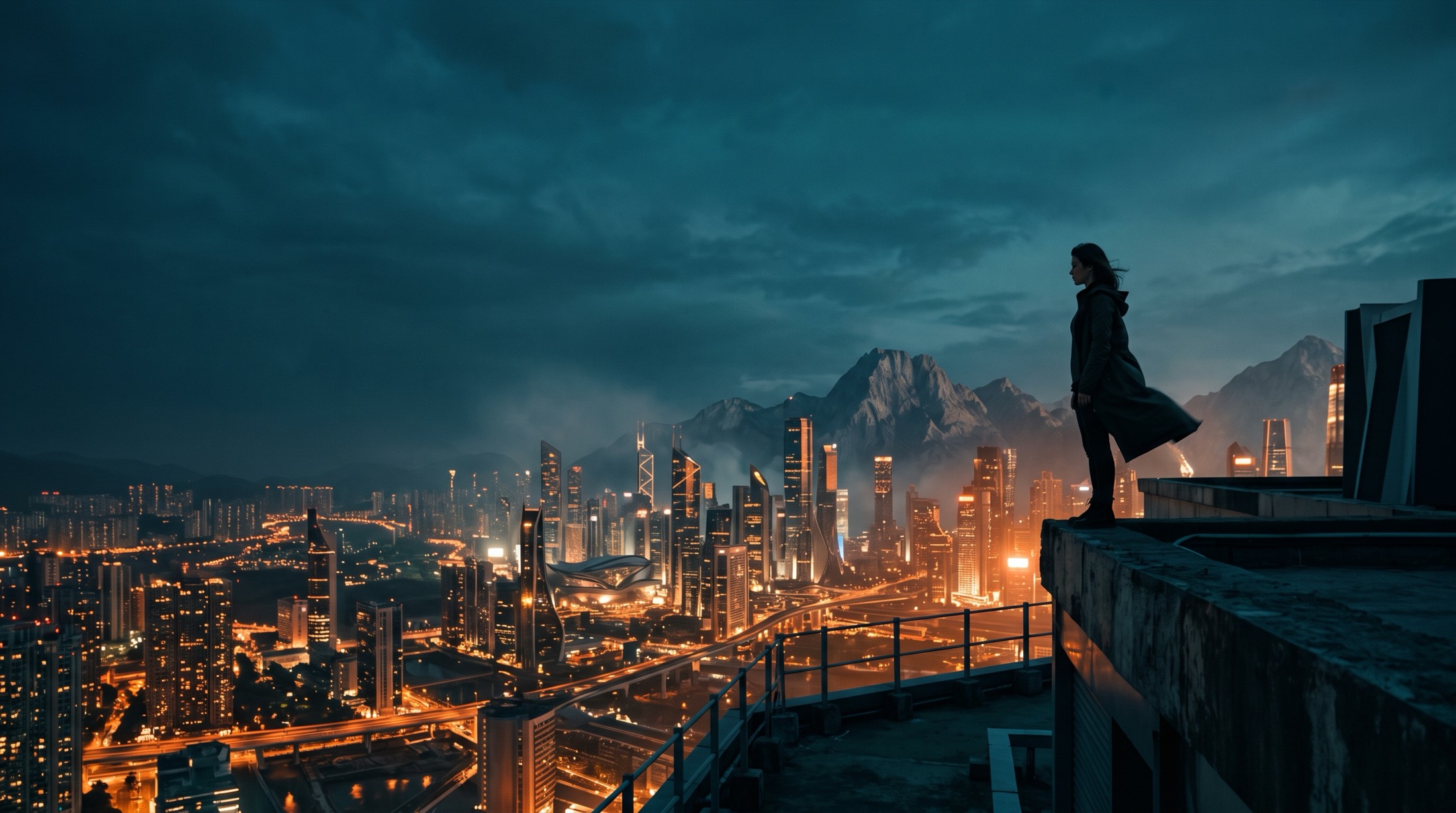
Characters drift
The same hero looks different from shot to shot. Most rework starts here.
Production platform for creative studios
Imagine Universe keeps a studio's characters and visual style consistent from shot to shot, gives art leads a clear review process, and records who made every frame. Each studio works in its own private environment.
The problem
Game and visual-novel studios produce cutscenes, CG scenes, sprites and key art around a fixed cast. General-purpose AI tools can make a strong single image, but they don't keep a character the same across a scene, don't hold the studio's style, and leave no record of who made what.
Art teams work around this with personal accounts, screenshots in chat and an art lead who re-checks every frame by eye. Unreleased characters and references end up in services the studio doesn't control.
The same hero looks different from shot to shot. Most rework starts here.
Each artist's prompts pull the look in a different direction.
References can't hold a studio's look — only a model trained on the studio's own work can. That usually takes an ML engineer who also understands light, form and composition, and those are rare.
Cloud tools refuse mature storylines — drama, conflict, violence — even with nothing explicit, and the rules change without notice.
Providers update their models silently: yesterday's frame can't be reproduced, and the pipeline breaks.
One art lead checks every frame of the team, with no history of what changed.
The product
The studio prepares a character sheet and trains its own character on the platform. The art lead releases a version, and every artist works with exactly that version.
Train the house look once. It applies to every frame at the strength the art lead approved, so artists don't rebuild it in every prompt.
Every take arrives with its history. Approve it, or return it with a reason, so the next take is closer.
Models are fixed for the studio: moderation is set for its production and never changes on its own, and the same prompt with the same seed returns the same frame a month later.
Characters and style are trained with recipes that already carry an artist's eye. The art lead picks the result by looking at it.
Who made each frame, with which character and style version, and who approved it. The studio owner gets a plain report: what was made, accepted and returned.
Video, voice and dubbing are already in the platform and are switched on per studio when the team is ready.
What we are building next In development
Every approve and return from an art lead trains the studio's own model, so more frames pass on the first take. The model belongs to the studio and gets sharper every month — it can't be copied, and it doesn't leave with a vendor.
How it works
The art lead releases the character and style versions for the project.
Artists work with the released canon in a simple interface built for artists, not engineers.
Each take arrives with its history. The art lead approves it or returns it with a reason. Each decision will also teach the studio's taste model.
The approved frame leaves with its record: who made it, what went into it, who signed off.
Pilot goal. Halve the time from brief to an approved cutscene frame, measured against the studio's own baseline taken before the pilot starts.
Who it's for
Cutscenes, key art and promotional frames around the game's characters.
Sprites, CG scenes and backgrounds that stay true to the cast across chapters.
Series work where characters and style have to hold across episodes.
Made on the platform
Portrait, café, kitchen, rooftop — different light, outfit and angle, the same heroine.
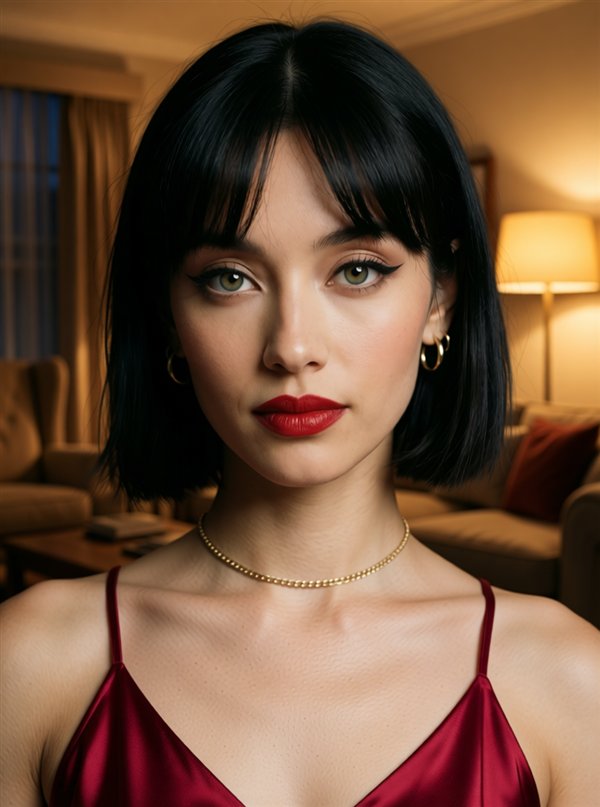
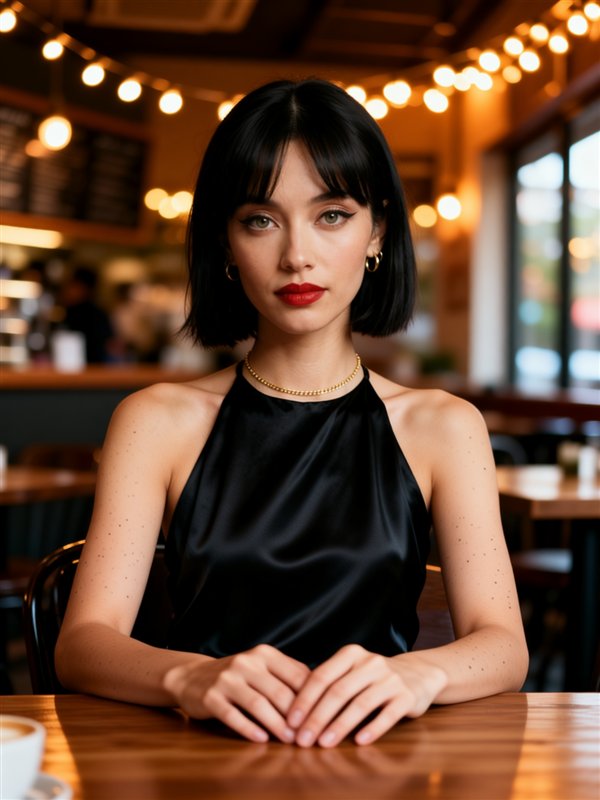
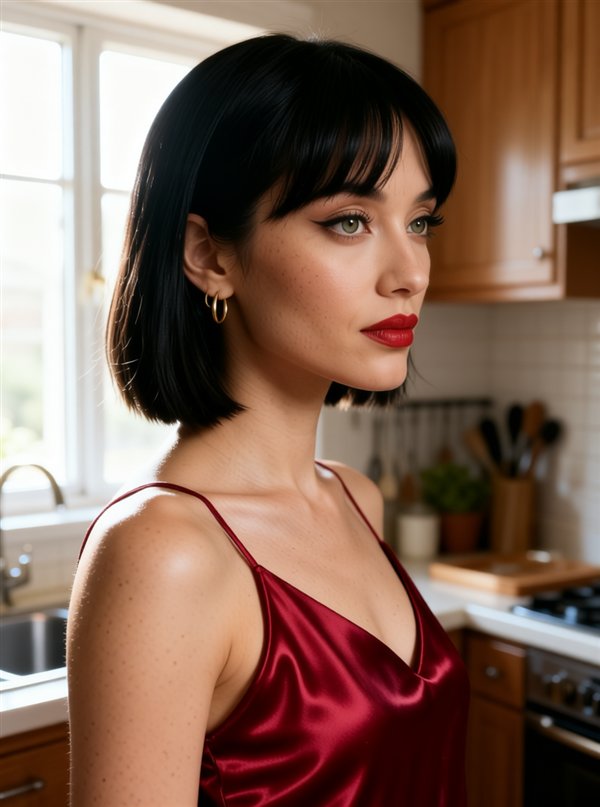
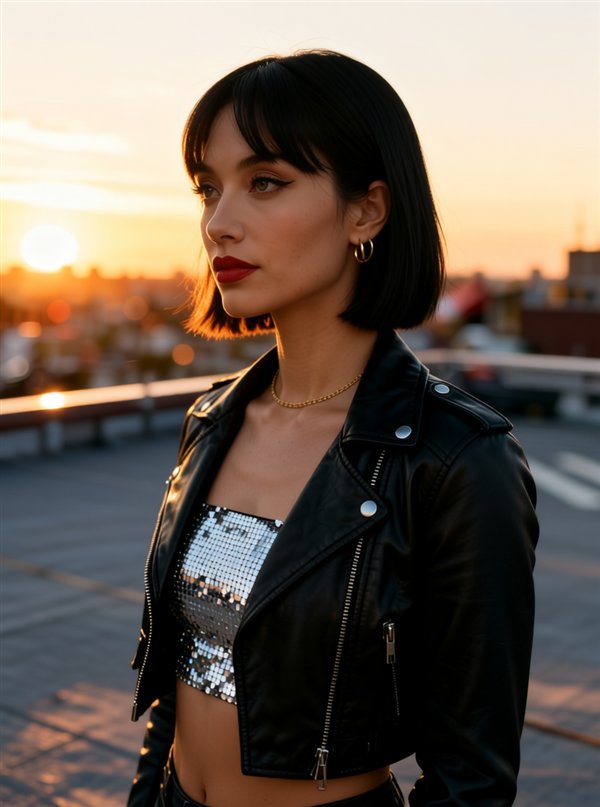
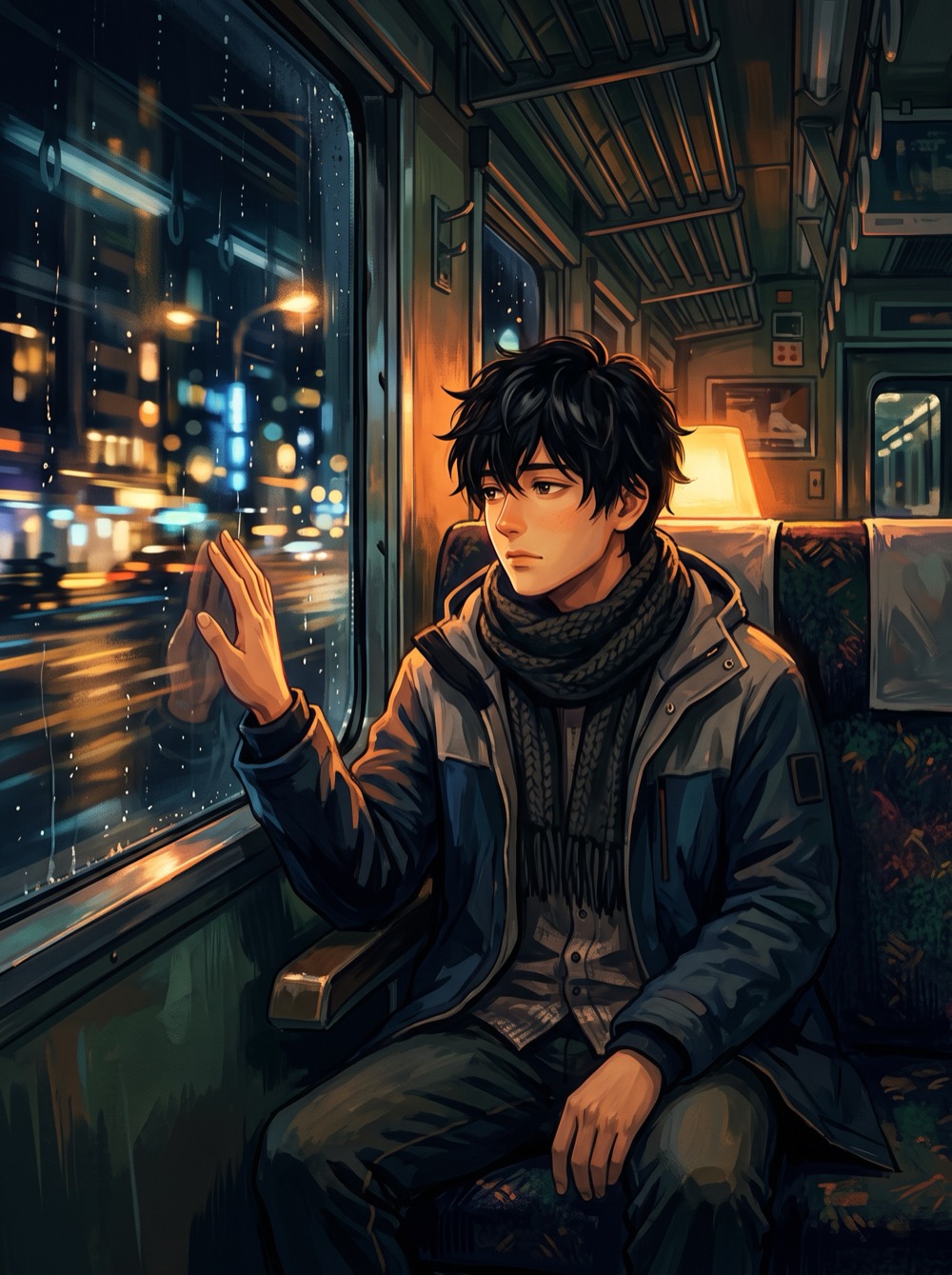
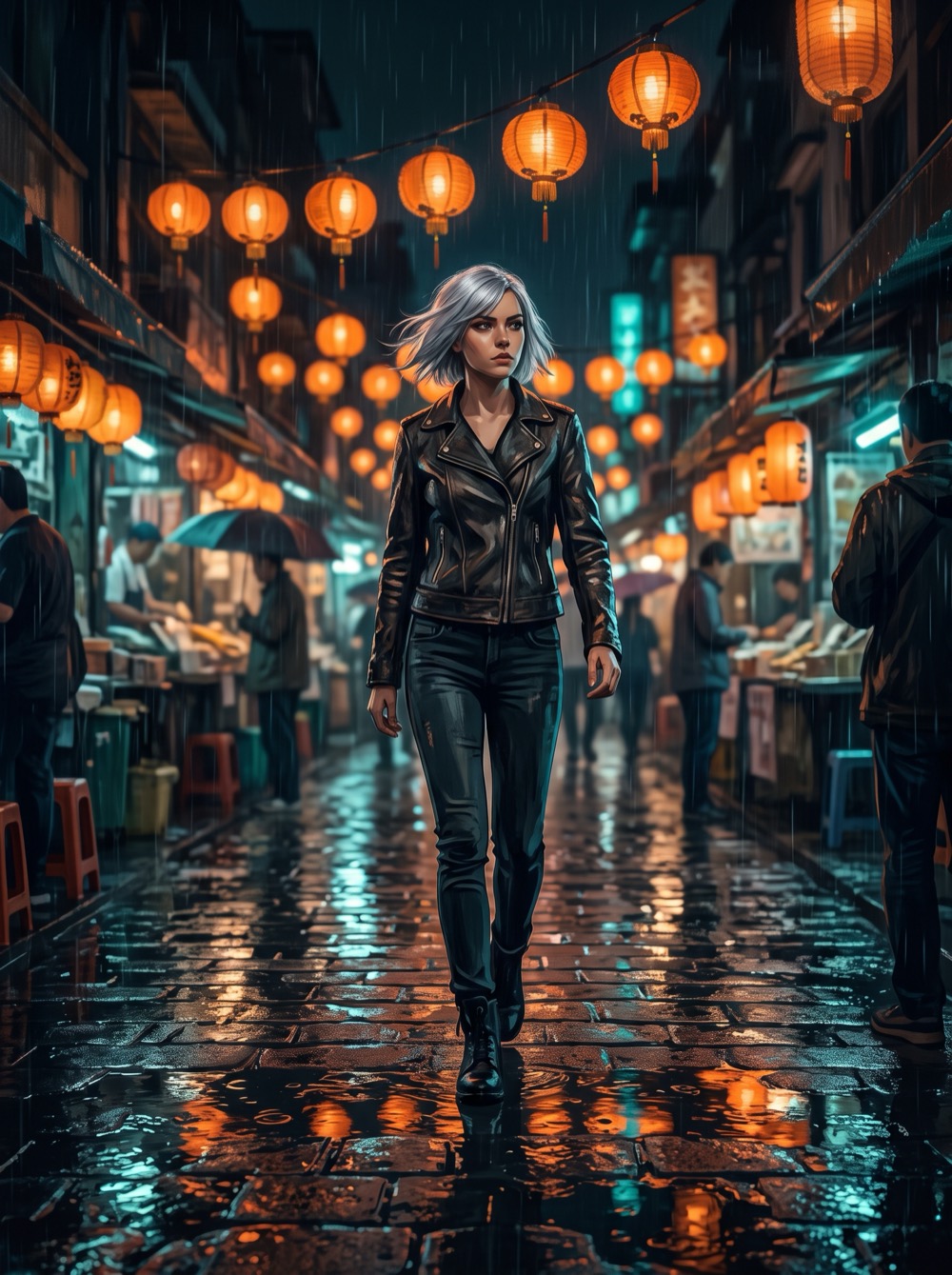
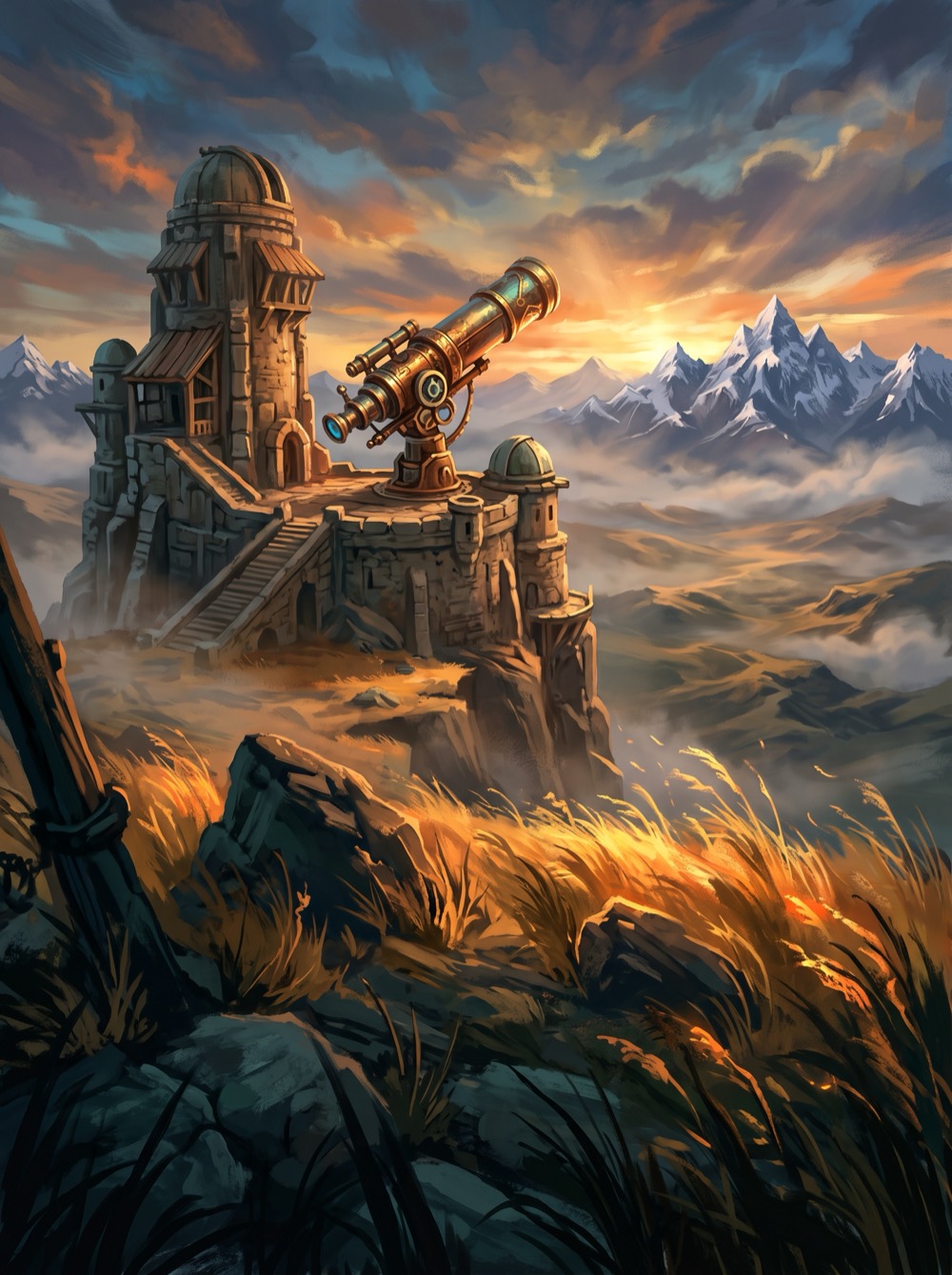
All frames on this page were created on Imagine Universe.
Security and data
Characters, references and trained models are a studio's intellectual property. The platform is built so that they stay inside the studio's own environment.
Media, datasets and trained models are kept apart per company.
Owners, art leads and artists see what their role allows.
Nothing a studio uploads or creates is used to train models for anyone else.
Sign-ins, generations and approvals are recorded per person.
External services are switched on per studio, never silently.
For studios that need it, we are preparing installation on their own hardware.
Where we are
The platform is in production use, with studio accounts, roles and reports.
Studio pilot with a 50–60-person visual-novel studio: five art leads in month one, the whole art department (~25 people) in month two.
Interface languages. Built for international teams from the start.
Character training · Style training · Image · Shot review · Studio reports · API
Kazakhstan is the launch market.
Turkey, the Middle East and a first studio in the US or EU; the studio taste model.
Installation on customer servers for larger content companies.
For investors and startup programs
Imagine Universe is a founder-led company in Almaty, Kazakhstan. We build production software for creative studios: the platform is in production use, and the first studio pilot is underway.
Games were a $201.6B market in 2025 (Newzoo), and art is commonly estimated at 25–40% of a development budget. We are glad to talk with investors, accelerators and startup programs; a one-pager and a live demo are available on request.
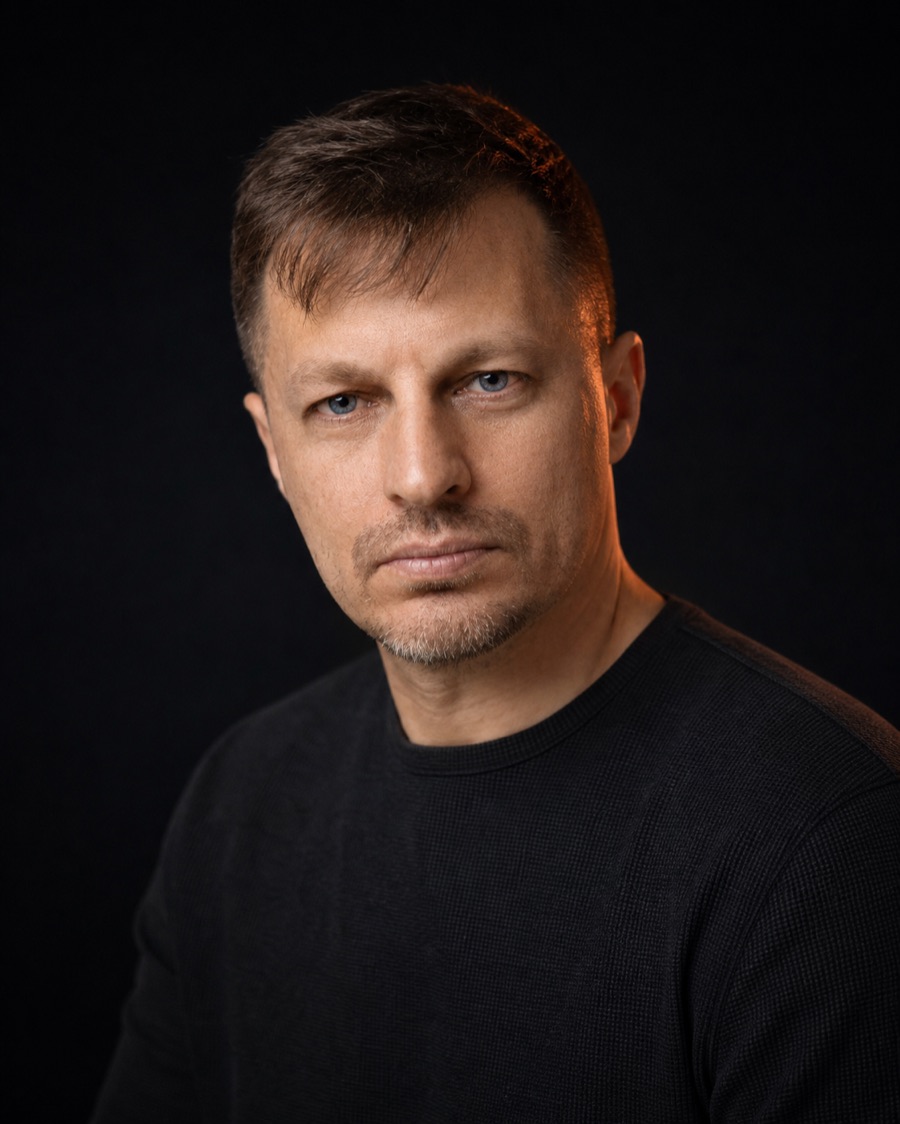
Team
Roman Palagin · Founder & CEO
More than 15 years across engineering and screen production: computer vision, AI pipelines, television engineering, virtual production, cinematography, lighting and directing.
A former chief engineer in television and a director of photography, he lights both on set and in Unreal Engine. He bridges the gap between art leads and ML engineers himself; that is the gap the platform closes for studios.
Roman has built the platform end to end with AI agents: nearly 3,000 code changes since July 2026. Alumnus of Astana Hub's Startup Garage (2024).
Contact
Studios interested in a pilot, investors, partners and startup programs: write to us and we'll reply personally.
[email protected]